01
Understand the building
We review materials, height, surface condition and any sensitive areas.

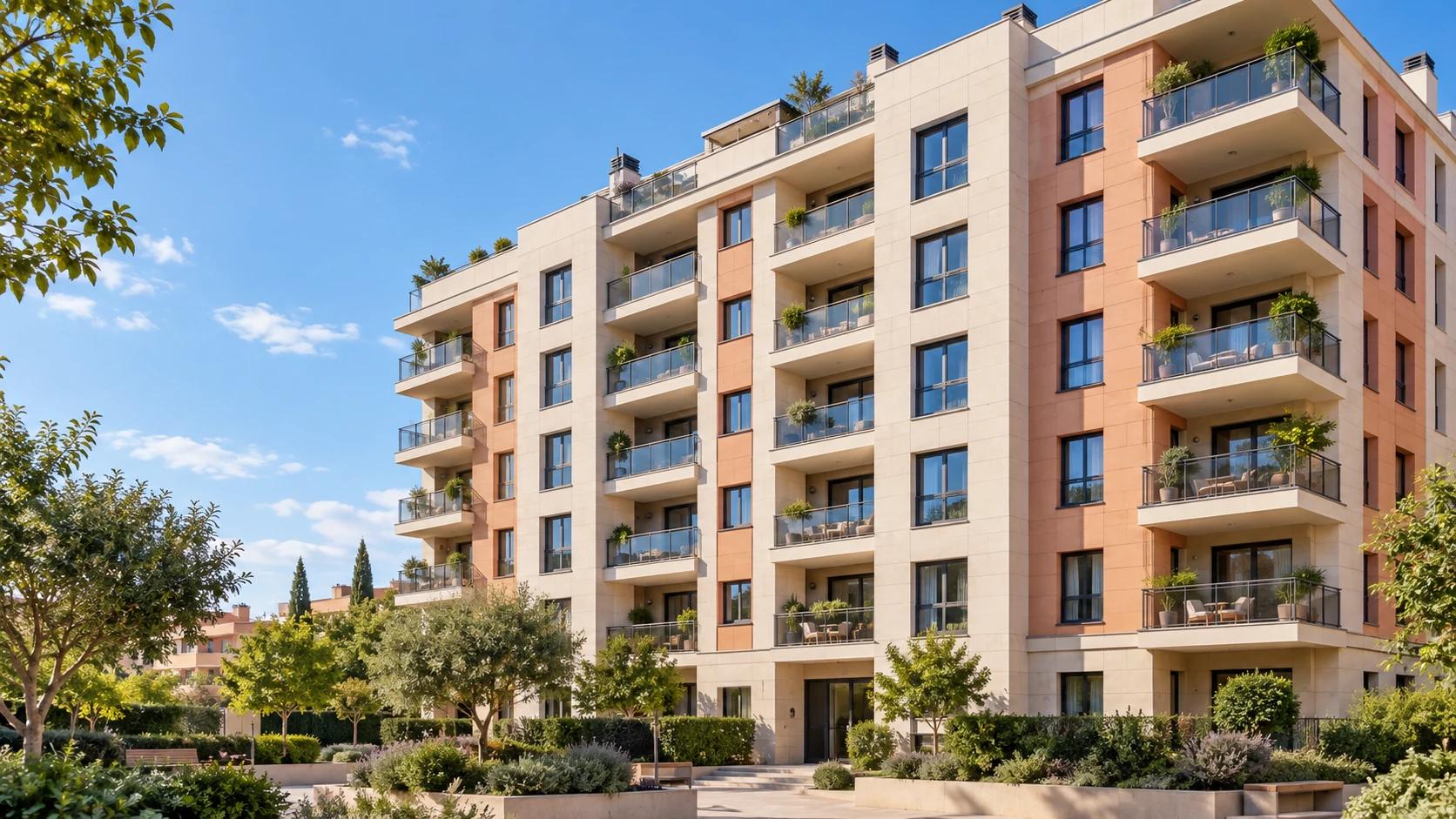
01 / RESIDENTIAL BUILDINGS AND COMMUNITIES
Facade cleaning for homes and residential communities using drones and supporting equipment where suitable. Coordination with property managers and residents.
OUR APPROACH
Cleaning facades of privately owned buildings, apartment blocks and residential communities starts with assessing the cladding and its condition. We review access, courtyards, balconies and passageways with the owner or property manager. The plan defines suitable surfaces, cleaning equipment and coordination with residents.
THE SCOPE
We combine drones with complementary equipment where appropriate. The initial assessment identifies which areas can be treated and how to protect windows, installations and the surroundings.
HOW WE WORK
We review materials, height, surface condition and any sensitive areas.
We agree access, schedules and communication with residents before starting.
We define the treatment, carry out a test where appropriate and document the areas treated.
PREVENTION AND EFFICIENCY
In façade areas we can treat from the ground, we avoid placing people at height. Less need for scaffolding or platforms can reduce rental and setup costs for the community.
Every operation still requires its own risk assessment, safety coordination and the permits applicable to the work and the site.
Safety, planning and savingsBEFORE WE START
Suitability depends on the cladding, its condition, access and the surroundings. We assess each case and avoid using the same treatment on every material.
Measures are defined for each operation. We coordinate access routes, windows, balconies and schedules with the residents' association; the proposal explains the necessary conditions.
The address, photographs, approximate height and area, façade material and areas needing attention. If measurements are unavailable, we can start with a description.
Visual drone inspection can be added with its own scope to document visible changes. It does not replace a statutory technical inspection or a structural diagnosis.
THE NEXT STEP